

Generational renewal in agriculture is one of the major challenges facing French — and, more broadly, European — agriculture.
The aging of farmers and the difficulty in finding successors for farms go beyond the simple issue of replacement: it is the entire balance of our agricultural model that is at stake.
This phenomenon has profound repercussions on the sector’s organization, on the vitality of rural areas, and on the sustainability of agricultural cooperatives, an essential link in the French agricultural economy.

The Challenge of Generational Renewal in Agriculture in France and Europe
The situation is alarming: by 2030, one in two French farmers will be retired.
And France is no exception. At the European level, the average age of farmers is 57 and only 12% are under 40 (compared to 18.2% in France).
For Christophe Hansen, European Commissioner for Agriculture, “this puts our food security and the future of our rural areas at risk.”
Faced with this generational drain, Brussels has presented an ambitious battle plan: to increase the share of young farmers from 12% to 24% by 2040.
The objective? To double the number of new young farmers in sixteen years, thanks to a series of unprecedented levers:
- start-up aid of up to €300,000,
- 85% European co-financing for young farmers’ investments,
- the possibility of using CAP funds for land purchase,
- the creation of a European agricultural land observatory from 2026 to combat land speculation,
- and even an Erasmus for young farmers, to promote mobility, training, and innovation in practices.
Another strong measure: from 2032, the Commission plans the gradual phasing out of CAP aid for retired farmers to encourage the transfer of farms.
These guidelines mark a genuine political will to place young farmers at the heart of European food sovereignty.
In France, Still Insufficient Renewal
In France, however, renewal struggles to keep pace with departures.
According to the General Council for Food, Agriculture and Rural Areas (CGAAER), the number of farms could decrease by 30% within ten years.
In 2022, there were 21,000 business cessations for only 14,000 new establishments.
Some regions are particularly affected:
in Brittany, nearly half of the farms are managed by farmers over 55 years old; in Aquitaine, Normandy or Occitanie, the agricultural population is even older.
The obstacles to setting up remain numerous:
- average cost of €200,000 for 35 hectares,
- limited access to land, often monopolized by expansions of neighboring farms,
- low incomes and demanding working conditions.
Direct consequence: 40% of new farmers leave agriculture within two years.
However, succession remains possible: according to the Jeunes Agriculteurs (Young Farmers) union, 99% of those who follow a personalized professionalization plan are still active five years later.
Challenges for Agricultural Cooperatives
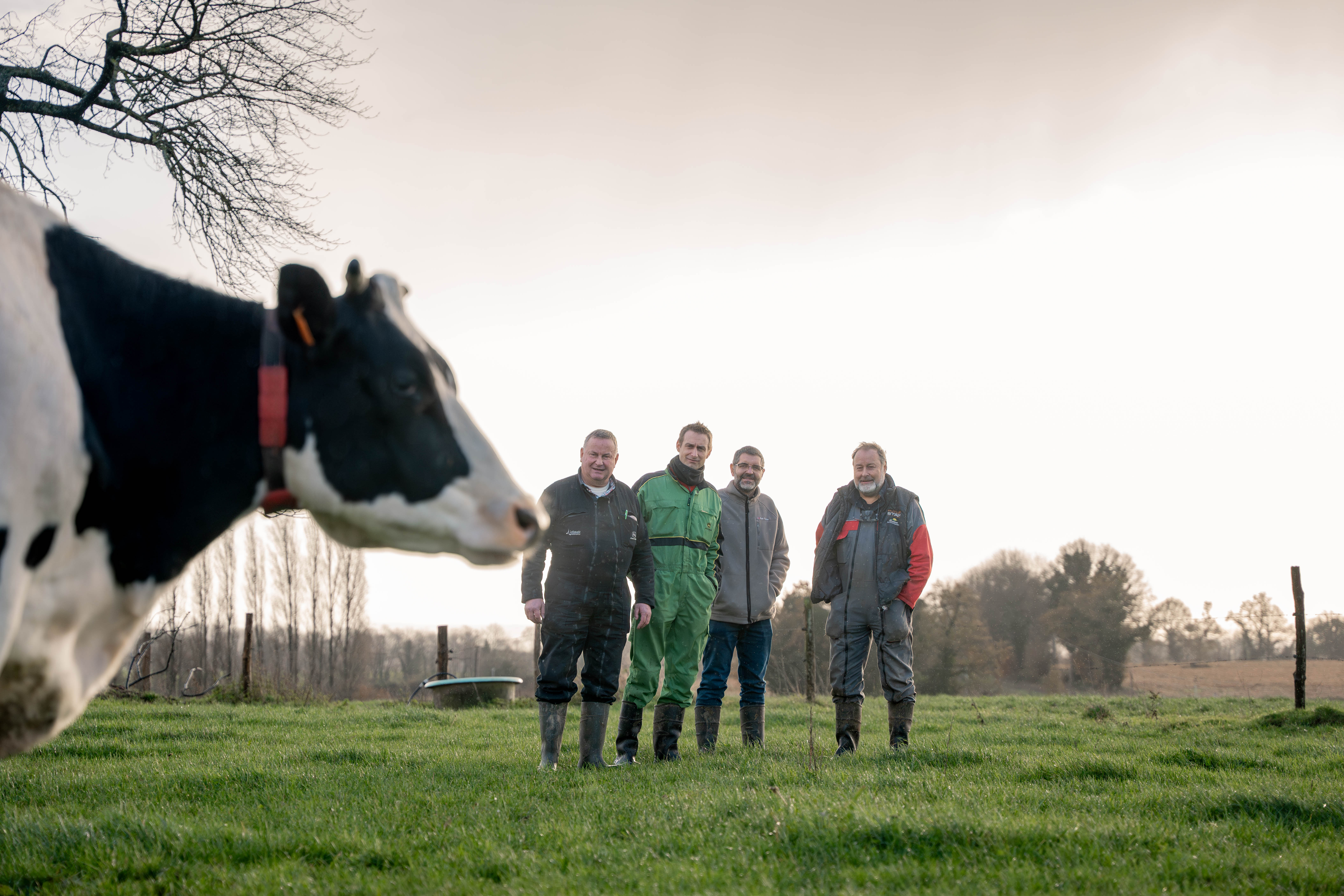
Cooperatives, pillars of the rural fabric, are on the front line facing this generational transition.
They risk seeing their number of members decrease, leading to a decrease in collected volumes and higher operational costs.
Fewer farmers also means less investment pooling, less capacity for innovation, and more fragility in the value chain.
The sustainability of many cooperatives therefore depends on their ability to attract and support new farmers, to support the transfer of farms, and to rethink their membership models.
Eloi: An Innovative Solution for Generational Renewal in Agriculture
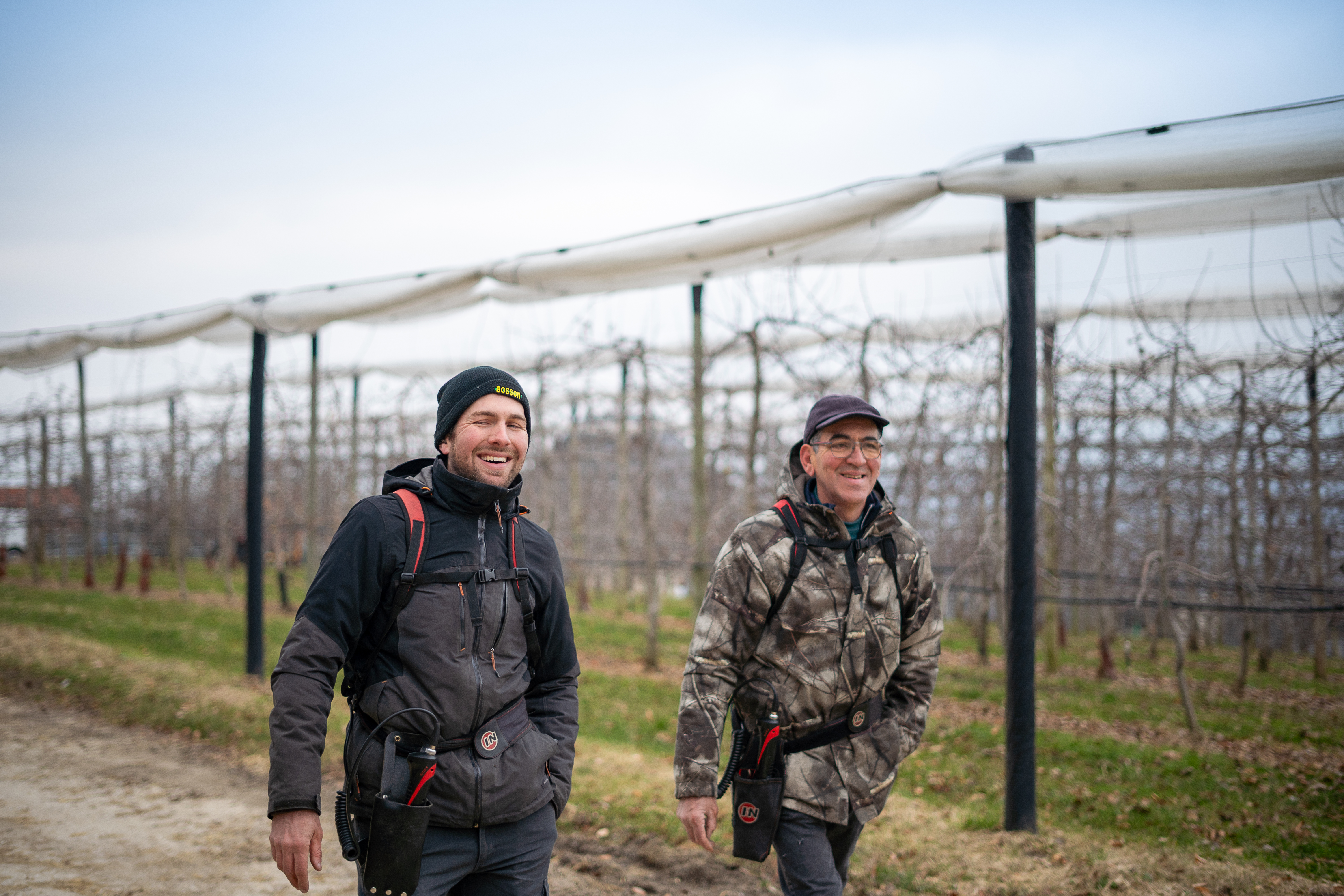
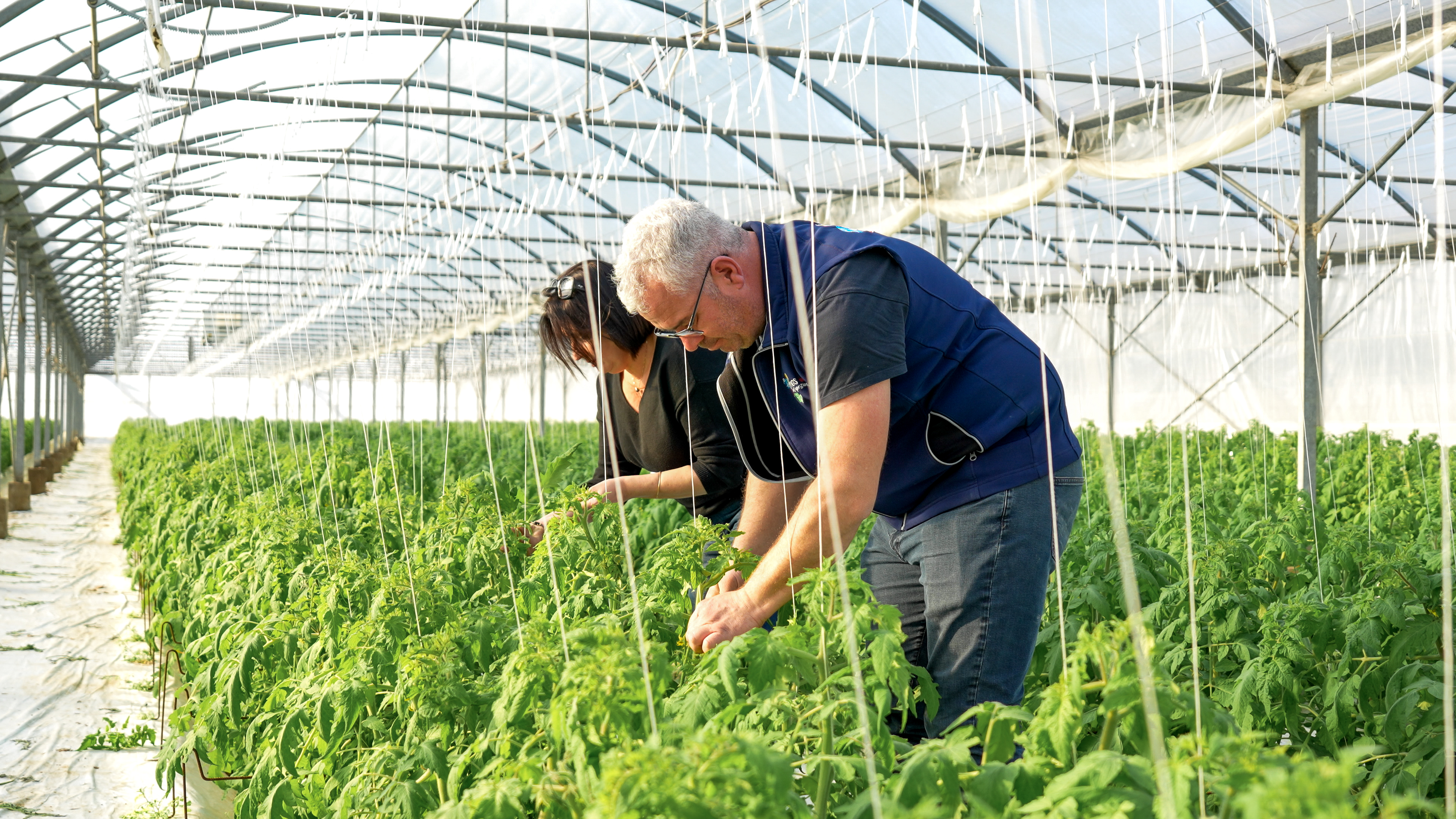
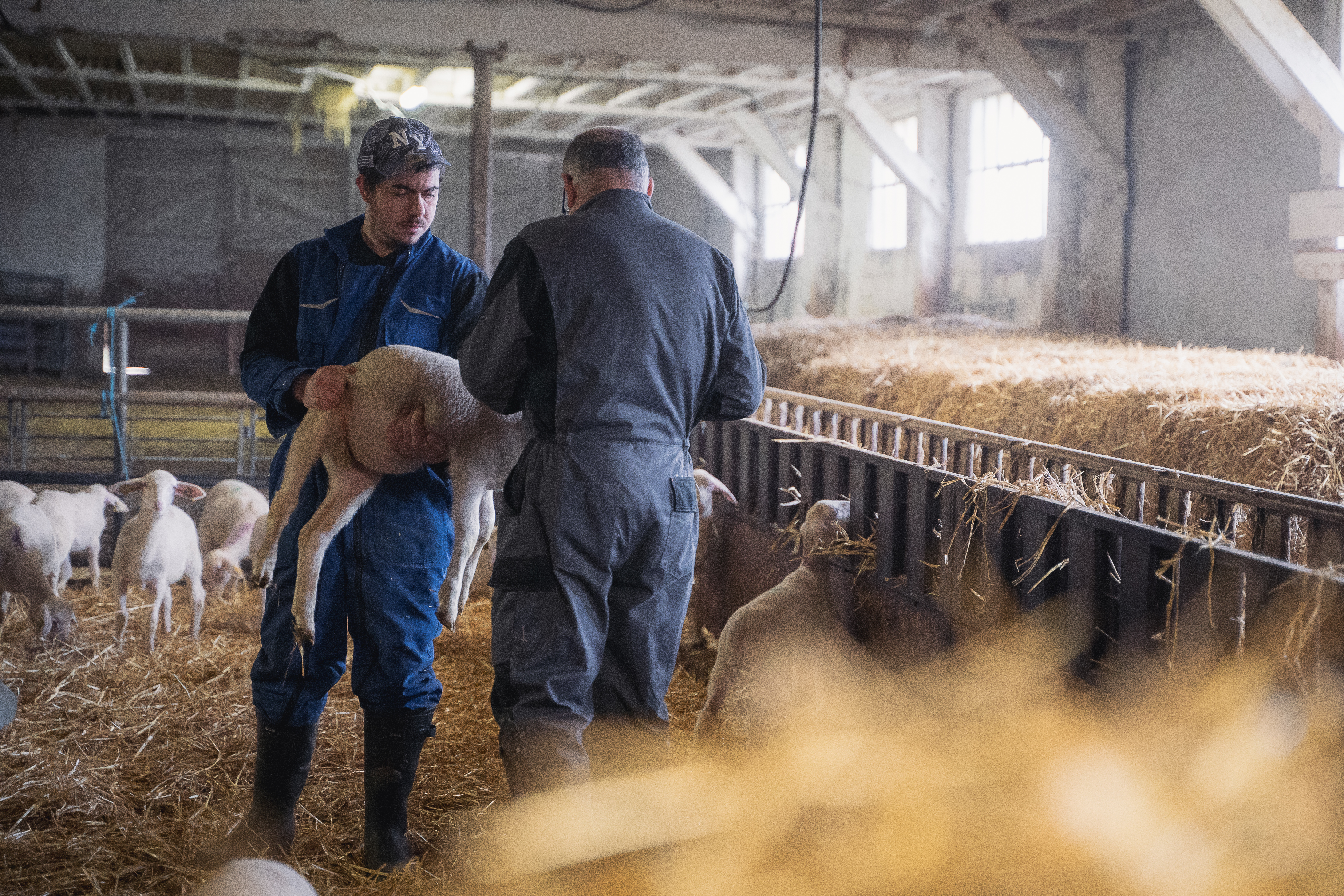
Faced with the urgency of generational renewal in agriculture, certain initiatives are emerging. This is the case forEloi, an innovative company that facilitates the transfer of farms by connecting sellers and project holders. Thanks to a database of over 6,000 qualified candidates, Eloi manages to find a successor within three months of an announcement’s publication.
Each project benefits from a personalized transfer diagnosis, allowing for a fair price to be set, to highlight the farm’s assets, and to prepare the seller for the takeover.
This preliminary work secures the takeover and allows project holders to set up under better economic conditions, with a viable income from the first year.
Reaching the Right Profiles, Nationwide
One of Eloi’s major assets is its national reach and its ability to connect candidates from diverse backgrounds.
While some rural areas struggle to attract new farmers, the platform allows for connecting complementary profiles, including internationally.
This is how Joris, a young Belgian project holder, was able to join the GAEC d’Ernée last year thanks to Eloi’s multichannel approach.
The company also offers specific support for cooperatives, to maximize the takeover of farms by future members.
To learn more, contact Juliette Colin, project manager at Eloi by email:
A Collective and Strategic Challenge
Between the massive aging of farmers, complex access to land, and the need to renew agricultural models, the challenge is immense.
But the signs are encouraging: European mobilization, the new measures of the Agricultural Orientation Law, and local initiatives like Eloi show that agricultural renewal is possible, provided that we focus on training, support, and intergenerational solidarity.
Generational renewal in agriculture is no longer just a necessity:
it is the key to food sovereignty and the vitality of tomorrow’s rural world.
Sources: Les Echos, Eloi, Fermes Leader

